




A tyre changer runs on compressed air, and straight from the compressor that air is wet, dirty and unlubricated. An air preparation unit — with a water separator, pressure regulator and lubricator — dries, cleans and oils the air before it reaches the machine.
- added: 07-06-2026
- in category Tire changer
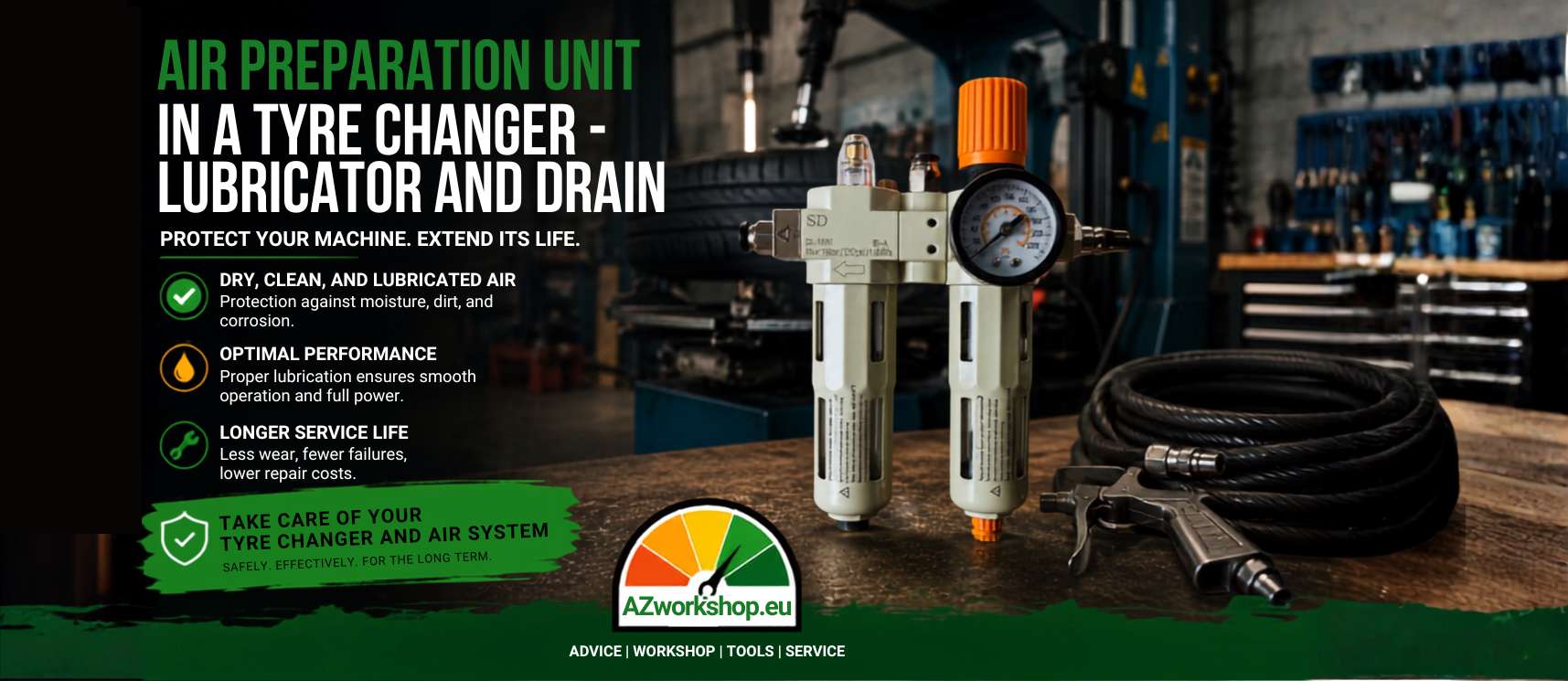
Air preparation unit for the tyre changer — how the water separator and lubricator work
A tyre changer runs on compressed air, and straight from the compressor that air is wet, dirty and unlubricated. An air preparation unit — with a water separator, pressure regulator and lubricator — dries, cleans and oils the air before it reaches the machine. It is one of the cheapest ways to extend the life of a tyre changer, yet it is often skipped. In this post we show what the set consists of, in what order to install it and how to set the oil dose correctly.
Table of contents
Why unprepared air destroys the tyre changer
As it compresses air, the compressor separates out water and at the same time carries oil, rust and dust from the line. Without preparation, this mixture flows straight into the tyre changer's pneumatics. The result is always the same: the machine corrodes faster, seizes up and loses power. The worst part is that the damage builds up slowly and unnoticed — until the moment a costly fault appears.
An air preparation unit costs a fraction of the price of the tyre changer, while it protects its most expensive parts — cylinders, valves and control valves. It is literally a cheap insurance policy for an expensive machine.
What the air preparation unit consists of
A complete set is three components, each handling a different job. Together they turn raw compressor air into a clean, stable and lubricated working medium:
- Filter–water separator — separates water and solid contaminants; the condensate collects in the lower bowl with a drain.
- Pressure regulator with gauge — keeps a constant working pressure, which the gauge shows in real time.
- Lubricator — meters a fine oil mist into the air, lubricating the pneumatics "on the fly".
💡 The installation order matters: first the water separator (cleaning), then the pressure regulator (pressure), and finally the lubricator (lubrication). The other way round, the filter would catch the oil added before it.
Setting the oil dose in the lubricator step by step
A common cause of rapid wear of air control valves is an incorrectly set oil dose — too much floods the line, too little does not lubricate at all. The adjustment is done only after the device is installed. On the lubricator there is an adjusting screw (marked in the photo below); set it so that after pressing the tyre changer's pedal three times, one drop of oil appears in the lubricator's sight glass. That is the correct dose. If needed, disconnect the air, unscrew the bowls and top up the oil — strictly oil intended for pneumatics, not engine oil.
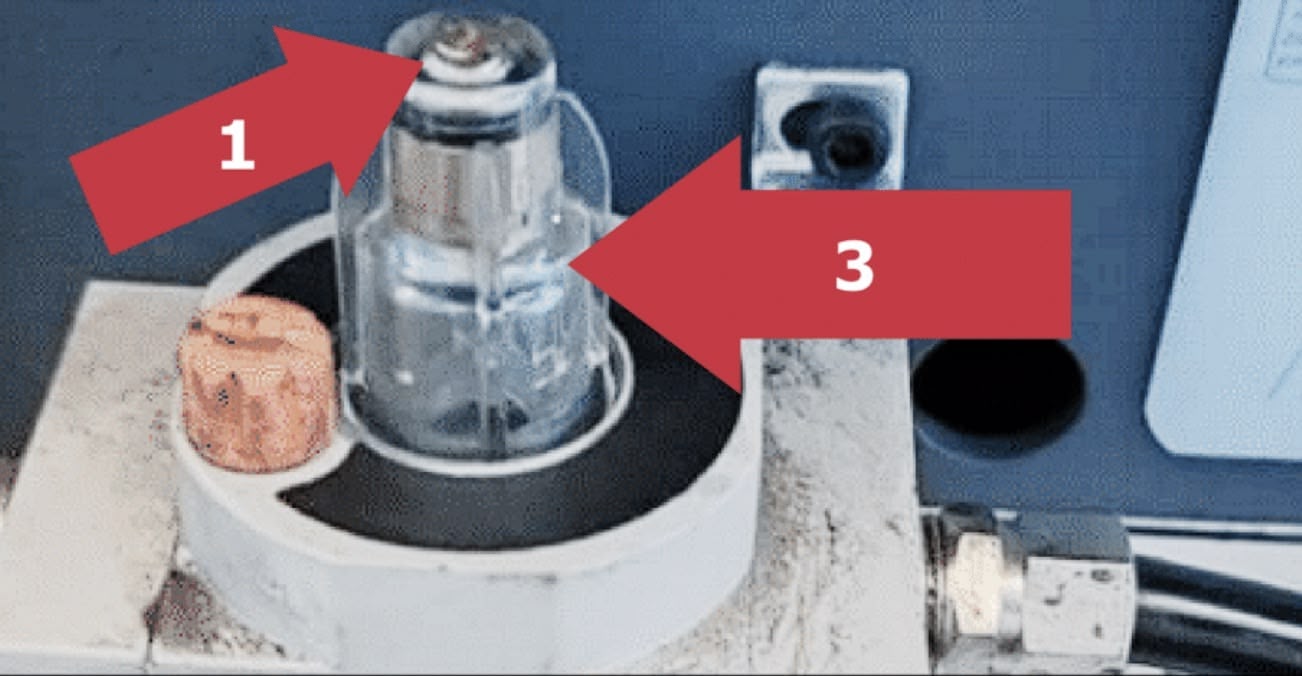
The adjusting screw on the lubricator — you use it to set the oil dose.
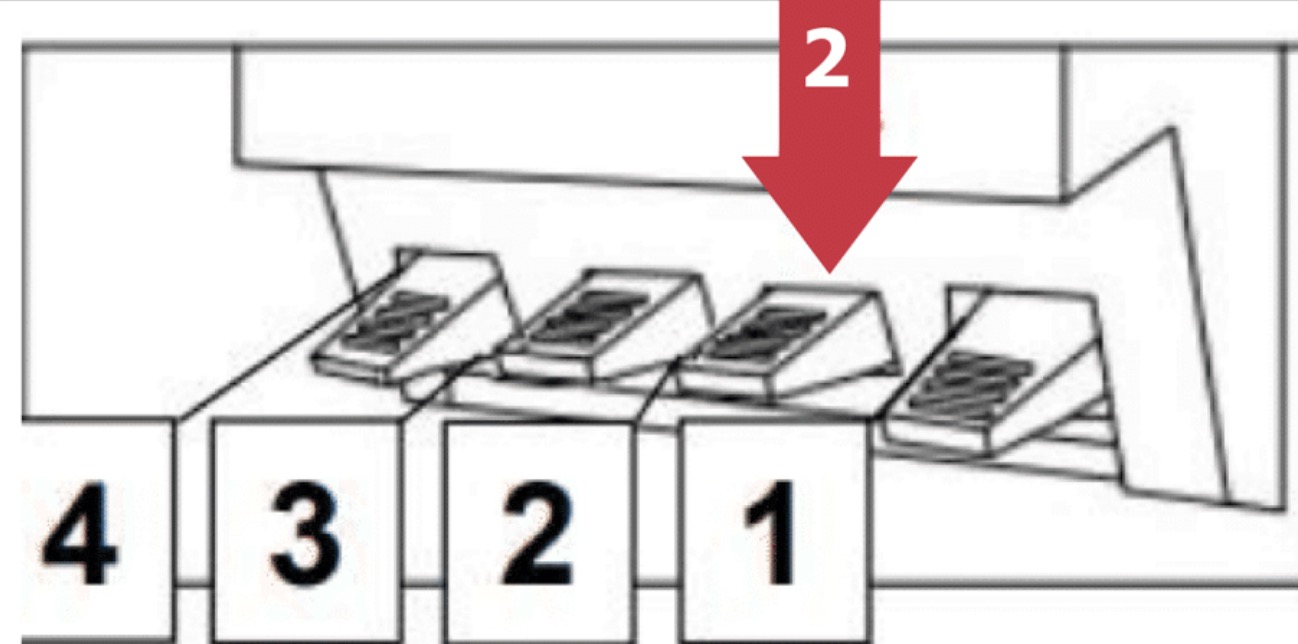
Press the pedal three times and check whether one drop of oil appears in the lubricator's sight glass.
How to choose the right unit for your machine
The market offers complete two-stage units combining a filter–water separator, a pressure regulator with gauge and a lubricator — ready to connect between the line and the tyre changer. Versions with transparent bowls make it easier to check the condensate and oil level; versions with metal bowl guards are more mechanically robust. Two parameters are key when choosing: the connection thread and the working pressure of your machine.
⚠️ Before buying, check the connection thread and working pressure of your tyre changer. Not sure? Send us the make and model of the machine — we will help you choose the right unit.
From the workshop's experience
The most common mistake we see with customers is fitting the lubricator and leaving the factory screw setting "by eye" — or, worse still, tightening it all the way "so it lubricates better". The result is the opposite of what was intended: excess oil floods the control valves and speeds up their wear instead of protecting them. The second classic is pouring engine oil into the lubricator, which is too thick and does not atomise into a mist. The rule "one drop per three pedal presses" is not a gimmick — it is a real reference point worth checking on your own machine after installation.
Looking for an air preparation unit, a filter–water separator, a pressure regulator or a lubricator? Check out our complete compressed-air service units (M-SERW-0005 and M-SERW-0003)
Frequently asked questions (FAQ)
Is an air preparation unit necessary for a tyre changer?
Yes. Air straight from the compressor contains water, rust and dust, and lacks lubrication. Without preparation it destroys the tyre changer's pneumatics — it corrodes cylinders and valves, causes seizing and a loss of power. The unit costs little compared with repairing these parts.
How do you set the correct oil dose in a tyre changer lubricator?
The adjustment is done after the device is installed. The screw on the lubricator is set so that after pressing the pedal three times, one drop of oil appears in the lubricator's sight glass. Too much oil floods the line, too little does not lubricate.
What oil should you use in the lubricator and in what order should the components be installed?
Use oil intended for pneumatics, never engine oil — engine oil is too thick and does not atomise. The order of the components is: first the water separator, then the pressure regulator, and finally the lubricator. The other way round, the filter would catch the added oil.